

sales@zjlinkwin.com

Mobile
+86 15706104016



sales@zjlinkwin.com
Mobile
+86 15706104016
As a professional gardener and landscaping expert with over 15 years of hands-on experience in residential and commercial garden projects, I rely on garden wire every single day for all my gardening and landscaping tasks. It isn’t just a basic gardening supply—it’s one of the most versatile, reliable, and indispensable tools in my entire professional toolkit. From supporting heavy fruiting tomato and grape vines to building sturdy custom trellises, securing garden structures through severe storms, and organizing plant growth, I’ve used garden wire in nearly every practical gardening scenario you can imagine. In my decades of fieldwork, I’ve mastered exactly how to choose the right type, use it correctly, and maximize its functionality for any garden need. Today, I’ll share my professional expertise, real on-site project cases, step-by-step usage guides, and actionable practical advice to help you use garden wire like a seasoned gardening pro.
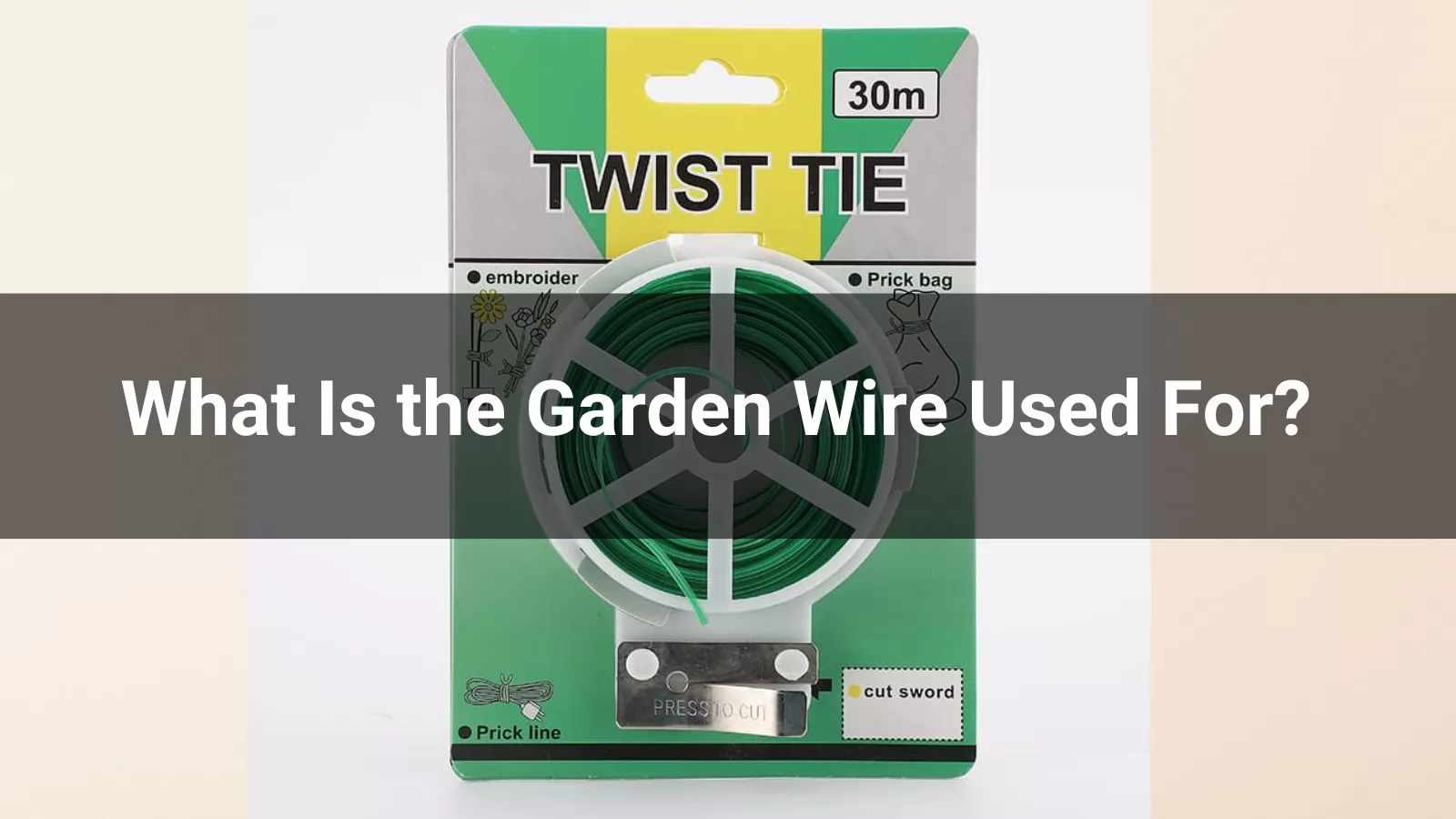
In my daily professional gardening work, I define garden wire as a flexible, weather-resistant binding and vertical support material engineered specifically for outdoor horticulture, plant cultivation, and garden structure maintenance. After testing countless products over the years, I only use high-quality wires made from galvanized steel, PVC-coated steel, or lightweight aluminum—these premium materials are specially designed to resist rust, UV radiation degradation, moisture damage, and extreme temperature changes. Over years of on-site use, I’ve seen cheap, uncoated iron wire rust away completely in just 2-3 months, damaging plants and requiring constant replacement, while top-tier garden wire maintains its strength and integrity for 3-5 growing seasons or longer. It comes in a full range of gauges (thicknesses) and customizable lengths, making it fully adaptable for delicate flowering plants, heavy-bearing vegetable plants, large shrubs, and sturdy outdoor structural builds alike.
Nearly every tall, vining, or heavy-fruiting plant I cultivate for clients and personal gardens needs reliable vertical support, and garden wire is my absolute go-to solution. Tomatoes, cucumbers, zucchini, sunflowers, grapevines, and berry bushes all naturally bend, droop, and break under their own weight or the load of ripe fruit without proper stabilization.
I regularly shape and train climbing roses, clematis, morning glories, wisteria, and ivy along walls, fences, pergolas, and custom trellises for landscape clients. Garden wire lets me gently guide plant stems in precise directions, creating a clean, attractive, and space-efficient layout while maximizing sunlight exposure and flower production.
Bird netting, insect mesh, deer fencing, and temporary garden barriers only work effectively if secured tightly to withstand wind, rain, and animal activity. Poorly fastened barriers sag, tear, or blow away within days, leaving plants unprotected.
Beyond pure functional use, I use garden wire to create unique, living garden decor that blends practical support with aesthetic appeal. Its excellent malleability lets me bend and form custom shapes, spirals, arches, topiary frames, and personalized supports that match any garden design style.
In every garden I manage, broken fences, damaged plant stakes, loose trellises, and wobbly garden beds happen frequently due to weather, animals, or regular wear. Garden wire provides a fast, reliable temporary or permanent fix that requires no specialized tools.
I use garden wire daily to group sprawling plants, secure wayward stems, organize dense foliage, and prevent overcrowding in raised beds and garden borders. It’s far more durable and long-lasting than string, paper ties, or flimsy plastic fasteners.
Galvanized Steel Garden Wire
My top professional pick for heavy plants, permanent garden structures, and long-term outdoor use. Rust-resistant, ultra-strong, and weatherproof—ideal for tomatoes, grapevines, bean poles, garden fences, and all-season structural support.
PVC-Coated Garden Wire
My first choice for delicate plants, flowering vines, roses, and visible garden areas. Soft on plant stems, fully waterproof, fade-resistant, and aesthetically pleasing. I use these for most flowering plants, young seedlings, and decorative garden projects.
Lightweight Aluminum Wire
Ultra-lightweight and easy to handle—perfect for temporary plant supports, indoor houseplants, light-duty tying, and small potted plants. Not recommended for heavy fruiting plants or wind-prone outdoor areas.
Gauge (Thickness) Selection Rules I Follow for Every Project:
Thin wire (0.5mm-0.8mm): Small flowers, lightweight vines, temporary seedling ties, and indoor plants
Medium wire (0.9mm-1.2mm): Most vegetables, shrubs, general garden tying, and climbing plant training
Thick wire (1.5mm-2.0mm): Heavy fruiting plants, permanent fences, structural repairs, wind-prone areas, and decorative garden frames
Never Tie Wires Too Tight Around Plant Stems
I always leave 1/4 inch of slack for stem growth and expansion. Tight wire cuts into bark, blocks nutrient and water flow, and kills healthy branches. For extra-sensitive plants like roses and young saplings, use soft foam twist ties paired with garden wire for maximum protection.
Inspect Wires Monthly for Wear & Damage
I check all garden wires monthly for loosening, rust buildup, stem constriction, or corrosion. Replace worn or corroded wire immediately before it fails and damages plants or structures.
Pair Wire with Stakes for Long-Term Stability
Garden wire works perfectly for quick fixes and tying, but always pair it with wooden or metal plant supports for tall plants and permanent structures to prevent leaning and collapse.
Secure Wire Ends to Protect Pets & Wildlife
I always twist sharp wire ends inward or cover them with protective caps to prevent entanglement, injury, or harm to pets, birds, and beneficial garden wildlife.
Store Unused Wire in a Dry, Cool Area
Keep spare garden wire rolls in a dry storage space to prevent premature rusting and extend the product lifespan for future gardening projects.
Solution: Replace uncoated iron wire with galvanized or PVC-coated garden wire; these rust-resistant materials eliminate staining and last years longer.
Solution: Switch to soft PVC-coated wire or add a small piece of fabric between the wire and stem; always leave growth slack when tying.
Solution: Use a thicker gauge wire and twist ends tightly with pliers; pair with sturdy stakes to create a stable support system.
After 15+ years of professional gardening, landscaping, and commercial farm work, I can say without doubt: quality garden wire is completely irreplaceable for any gardener, from beginners to experts. It supports, trains, repairs, secures, organizes, and decorates—outperforming string, plastic clips, disposable ties, and flimsy fasteners in every gardening category. Choosing the right material, thickness, and coating for your specific plants and projects makes all the difference in plant health, garden structure stability, and long-term durability.
Whether you're a home hobby gardener growing vegetables and flowers, a professional landscaper designing outdoor spaces, or a small-scale farmer cultivating crops, investing in premium professional garden wire will boost your plant health, simplify garden maintenance, and add unmatched durability to every gardening project.
I’ve spent years testing and perfecting the best techniques for tying plants safely and effectively with garden wire. For more expert gardening tips, product guides, and step-by-step tutorials, visit our full professional gardening blog.
Contact our professional team now for wholesale bulk quotes, custom product orders, or expert product questions. As Linkwin, we are your trusted manufacturer and supplier of high-quality, professional-grade gardening tools and solutions for home and commercial use.




We use cookies to make the website work, to provide advanced features, social media and traffic analysis, and we use analytics and third-party advertising cookies. If you choose to click "Deny All", you will retain the default setting of not allowing the use of cookies or other tracking tools other than technical tools.




.png)

.png)



.png)